
Business copywriting: What it is and why it matters.
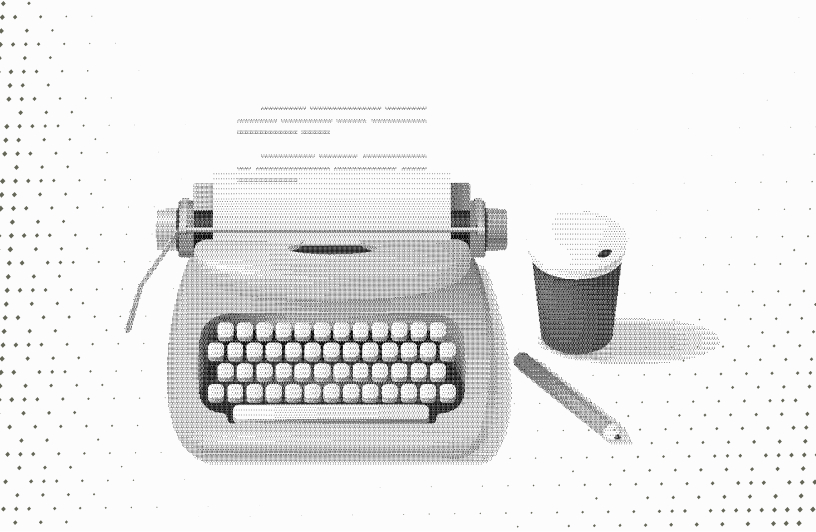
Business copywriting uses words to convince, flatter, validate and convert.
It’s a way of using language to persuade your audience to do something. Act. Explore. Buy. Sign up to newsletters. Request a brochure.
Let’s kick off with business copywriting for websites, something we’re often asked about.
Every organisation has a website these days. So it’s important to have the right content written appropriately. We’ve seen lots of small business websites with text copied from other places, inconsistent fonts, mixed messaging and let’s not get started on the number of spelling mistakes…
To be taken seriously, you need to look professional. Along with web content and blogs, you’ll need articles, case studies, press releases, adverts, leaflets, brochures, presentations not to mention LinkedIn profiles, social media posts and sales and marketing campaigns that cover both printed and digital platforms. You see where I’m going with this. There’s a need for words in every aspect of your venture.
Writing effective copy is hard. But it’s a tried and tested way of increasing your sales and winning new customers. I always explain it as a fusion of art and science. You need to be creative: able to manipulate words, evoke emotions, explain, persuade and engage in sometimes seemingly effortless ways.
The science kicks in when you’re writing specifically for the Internet, using the latest techniques in Search Engine Optimisation (we’ll write another blog about this). You also need to edit, review, fine-tune and tweak your words.
Copywriting to boost sales.
Copywriting is very often about persuading. And to persuade is to sell.
Let’s spend a few minutes on how to make words work for you in sales literature and promotional material.
It’s about making a promise… to save your customers time, effort or money.
Remember that many people are risk averse. In fact, the primary inhibitor to buying is risk. So the way round this is to promise your audience benefit without risk then add proof to the promise with testimonials.
Generally speaking, all the customer wants to know are two things, known as killer questions.
Will it work?
Is it worth it for me?
Our advice, if you’re thinking of writing sales material yourself is to follow AIDA – nothing to do with opera, it’s all about a systematic approach.
Business copywriting tips.
Let me share with you my top tips for better written content. These will make your business copy stand out from the crowd and, more importantly, your competition.
Using AIDA for copywriting.
AIDA is a useful acronym to remind us all how to write compelling sales copy. The letters stand for:
A - Attention
Grab readers' attention with your headline/introduction. It's why we see so much 'clickbait' nowadays. Great headlines get the initial click, an excellent opening paragraph keeps people reading.
I - Interest
Relate to the pain/pleasure point of your reader. Empathise with your reader's issue(s) and then tell him/her how you’ll satisfy their desire or numb their pain.
D - Desire
Appeal to his/her deepest emotions. The life-changing nature of your product or service, how it will make things better, quicker, slicker.
A - Action
The final part where you ask your audience to take action to close the loop. You’ll have seen many 'calls to action' (CTAs) yourself. Examples include: download, buy now, click here to contact us or subscribe for updates.
Tailor content for different formats.
Copywriting is definitely not a 'one size fits all' formula!
The best copywriters tailor their writing to the medium or format in which their words are delivered. Adverts need amazing headlines, especially, as David Ogilvy believed so deeply, headlines that offer a tantalizing benefit, spark curiosity and guarantee precise outcomes/results.
Great copywriting can reframe an offer, moving it from formal and factual to informal and emotional. Here’s an example I often quote:
Before: “Hello and welcome to our website. If you’re looking for photographic services, you’ve come to the right place.”
After: “You found us! We don’t just take photos. We capture your precious memories so you can cherish them forever.”
So when you’re writing, answer your reader’s questions. What’s in it for me? Why should I buy? Describe how you’ll improve their lives. Respond to their perceived objections. Jump into your reader’s head. Use short sentences and a colloquial tone.
Keep it lumpy.
Forget what your English teacher told you (only applies if you were born before 1970…) Bullet points are great, especially if you’re making a list of benefits.
Blocks of text aren’t easily digestible, so make paragraphs - especially online - short and browsable.
And, yes, you can start sentences with ‘and’.
Business copywriting is becoming a richer media mix too. Embed videos and small clips, use graphics and imagery. Assault the senses.
Increasingly, we write like we speak. Spoken language has short sentences and very few passive sentences. So use action verbs. Don’t be afraid of humour. Be careful with it, but not afraid of it.
Use the rule of three.
I often bore the rest of the Ketchup Crew about the magic of three, which you’ll notice I’ve used above, and indeed throughout this blog: it has a persuasive rhythm which people find compelling.
Stop, look, listen
Every Little Helps
Just Do It
And in history, I came. I saw. I conquered.
Better still, you can use it in many formats. Not just straplines, advertising slogans or mantras. the magic three works equally well in lists and bullet points.
Mini-tips.
1. When writing, lead with the benefit. It’s never about what the product or service is (those are the features) but how it makes your life easier, better, faster.
2. Never write to customers in a group – they are all individuals.
3. Swap all the “We’s” for “You’s”
Now you have our headline tips for writing business copy, let's take a look at when you might need more help.
When should your business get help with copywriting?
It’s not our desire to bark orders about the dos and don’ts of copywriting.
When you’re running a business, you are often pulled in all directions and may not have time to devote to writing your own content, communications and campaigns.
Language may not be your strong suit. People are still frightened of commas and abuse apostrophes. However, there’s no doubt that you know your organisation better than we do. Using our copywriting skills frees up your time to focus on running your business.
Not everyone enjoys writing pages for websites or blog posts or coming up with a brilliant advert or creating copy for presentations. However, we positively relish it.
Why you should use experts in writing copy.
Professional writers are like the best actors and actresses.
They can write about anything. They apply their skills to every scenario and draw on their experience to give a compelling and memorable performance.
What’s more, copywriters view your business from the outside, in much the same way as your customers, so they’ll have the same questions. They see it from a different perspective to you – and the best copywriters will make sure that their approach appeals to potential and existing customers.
The team at Ketchup can make your messages stronger to help you engage better with your customers. We know that business copywriting isn’t really about words. It’s about numbers. Converting leads, pushing sales, making profit. In a nutshell, it's about getting your target audience to take action.
Three benefits of using professional copywriters for your business.
It can be a leap into the unknown using copywriters for the first time so you need to be sure what benefits it brings. Here are the three biggest rewards our clients have seen from outsourcing their copywriting.
1. You will create time for where YOU add value.
Unless you’re experienced in marketing and specifically in copywriting, it is likely to take you more time to write something. This is particularly true if you’re not familiar with how Google works in terms of ranking your website through its content.
In running a small business, nobody has an abundance of time. You will generally be wearing one of many hats, so if writing’s not your thing, delegating your least comfortable headgear makes a lot of sense.
2. You and your team will look more professional.
There’s a thing called self-blindness.
When you read something you’ve written yourself, you may not be able to spot a spelling mistake or a grammatical error because you know what you’re expecting to read.
This is so important for presentations, proposals and promotional literature when you’re out to impress people. Good copywriters will also make sure your tone of voice is consistent and aligns with your brand.
3. You will form stronger connections with your audience.
Isn’t that what it’s all about?
Business copy is direct and written to appeal to your audience. It will be personal and it will focus on how your product or your service will solve a problem, meet a need, enhance a life.
As we’ve mentioned, there is no such thing as corporate language any more. Successful copywriters use a conversational tone, free from jargon. Once upon a long ago, emotions didn’t have a place in copywriting – now they are one of the biggest drivers together with simple human truths. Knowing how to use this in a business context requires expertise.
If you still need convincing, take a look at how happy our copywriting clients have been with our copywriting service.
Final takeaways from the Ketchup Crew.
No time to do it yourself? No problem!
If you’d like to know more how professional copywriting will benefit your sales (and why Robert Cialdini is my cerebral crush), get in touch by clicking this link, or call us on 0115 671 3868, or email us.
PS: Did you know that 90% of people read the PS before the rest of the copy in a letter or email? That’s why it’s such a popular technique for any communications that we send, particularly in promotional offers. Ask us about how we can boost your marketing campaigns with tried, tested and proven techniques like this one.