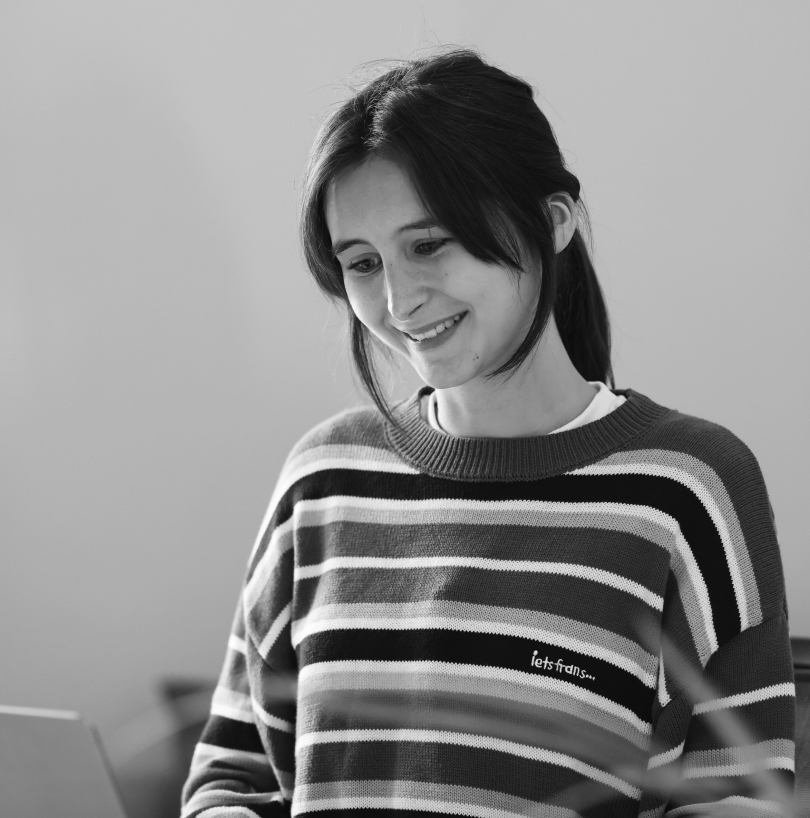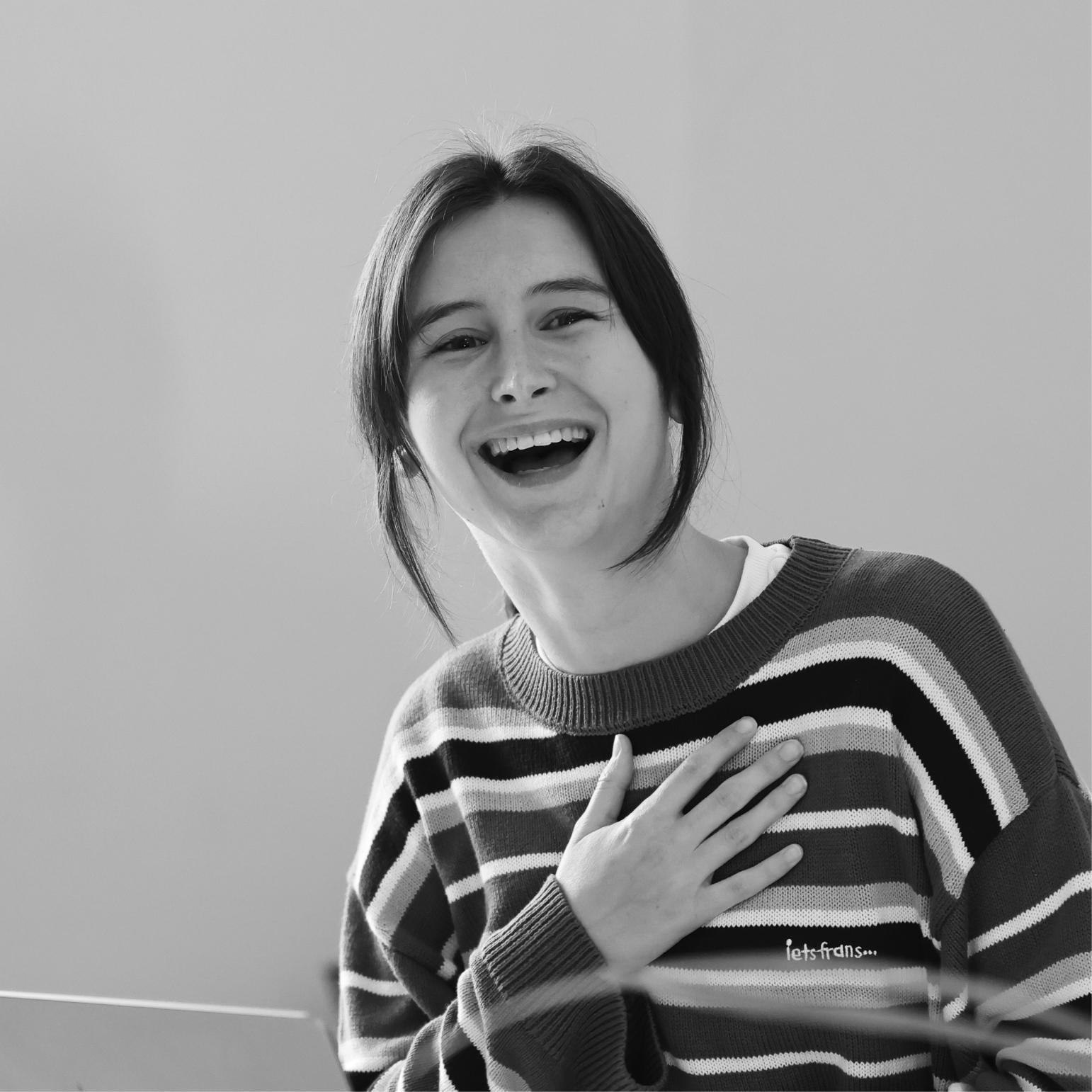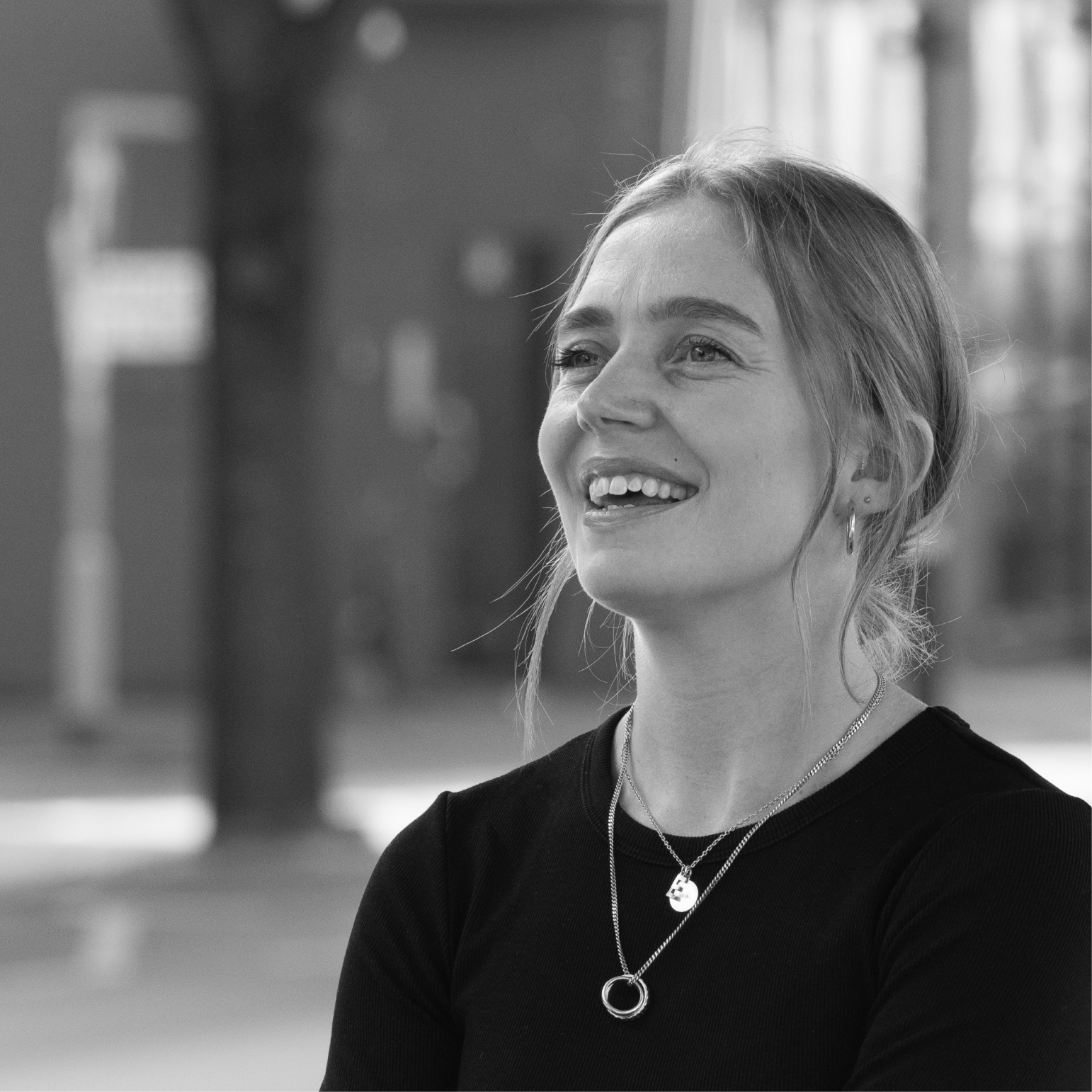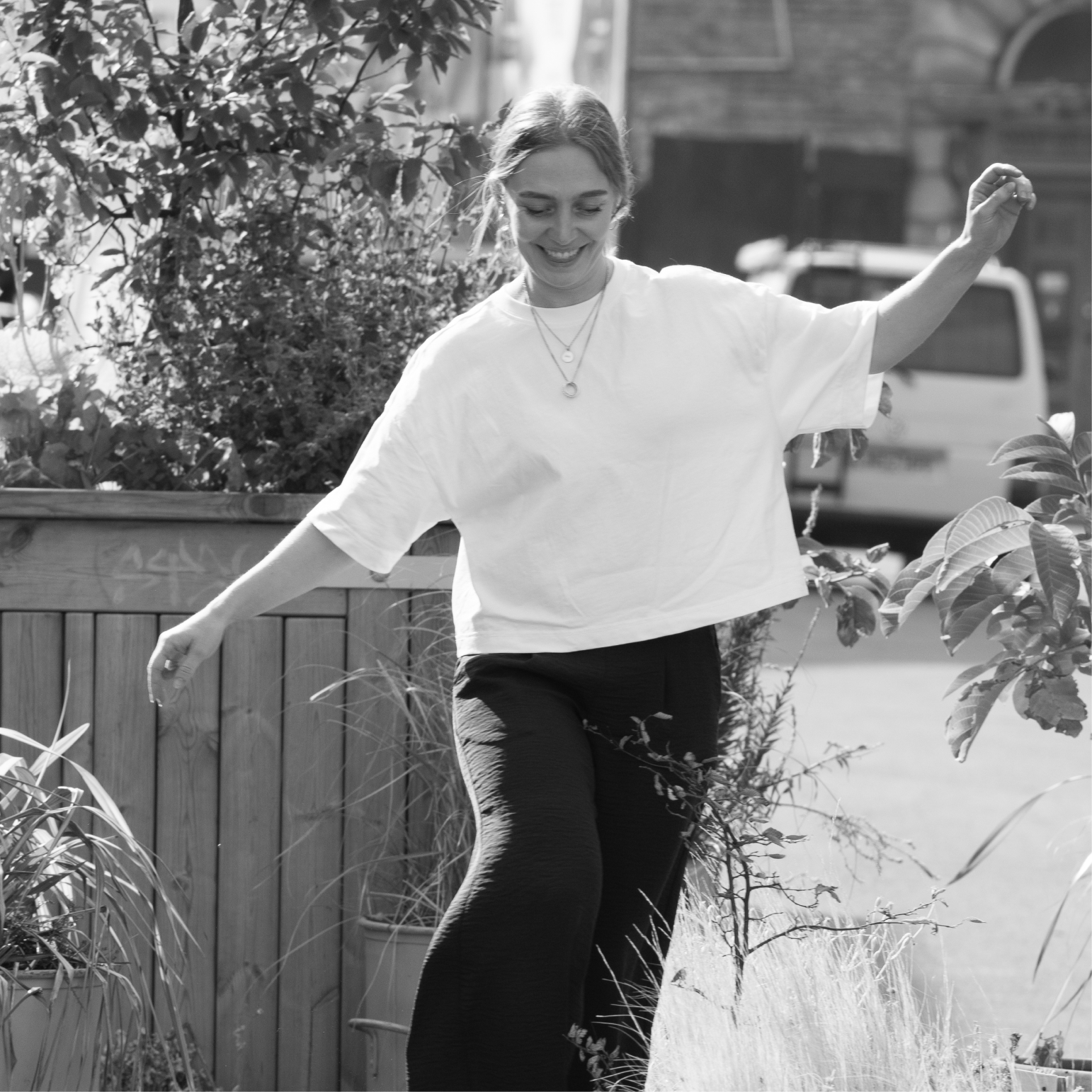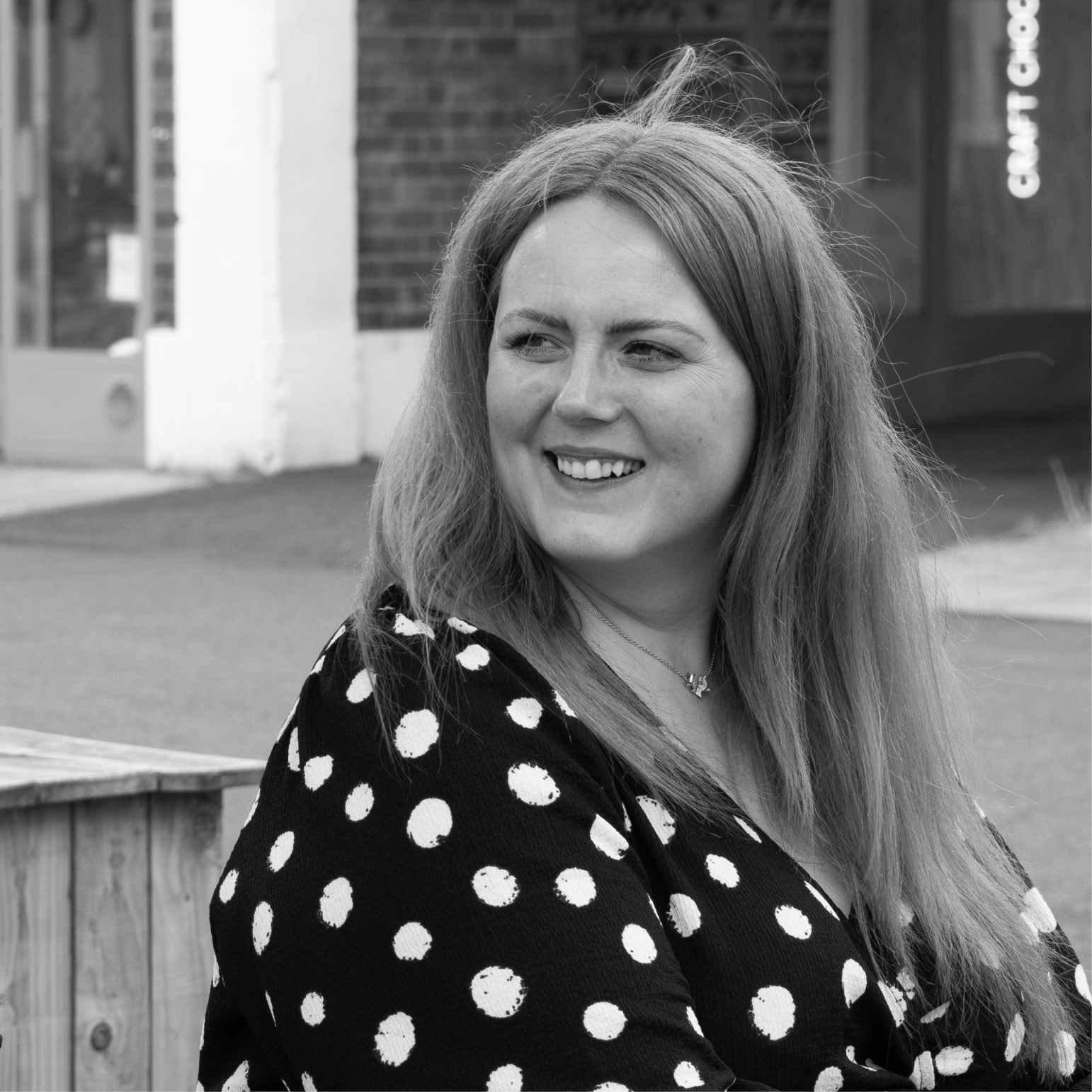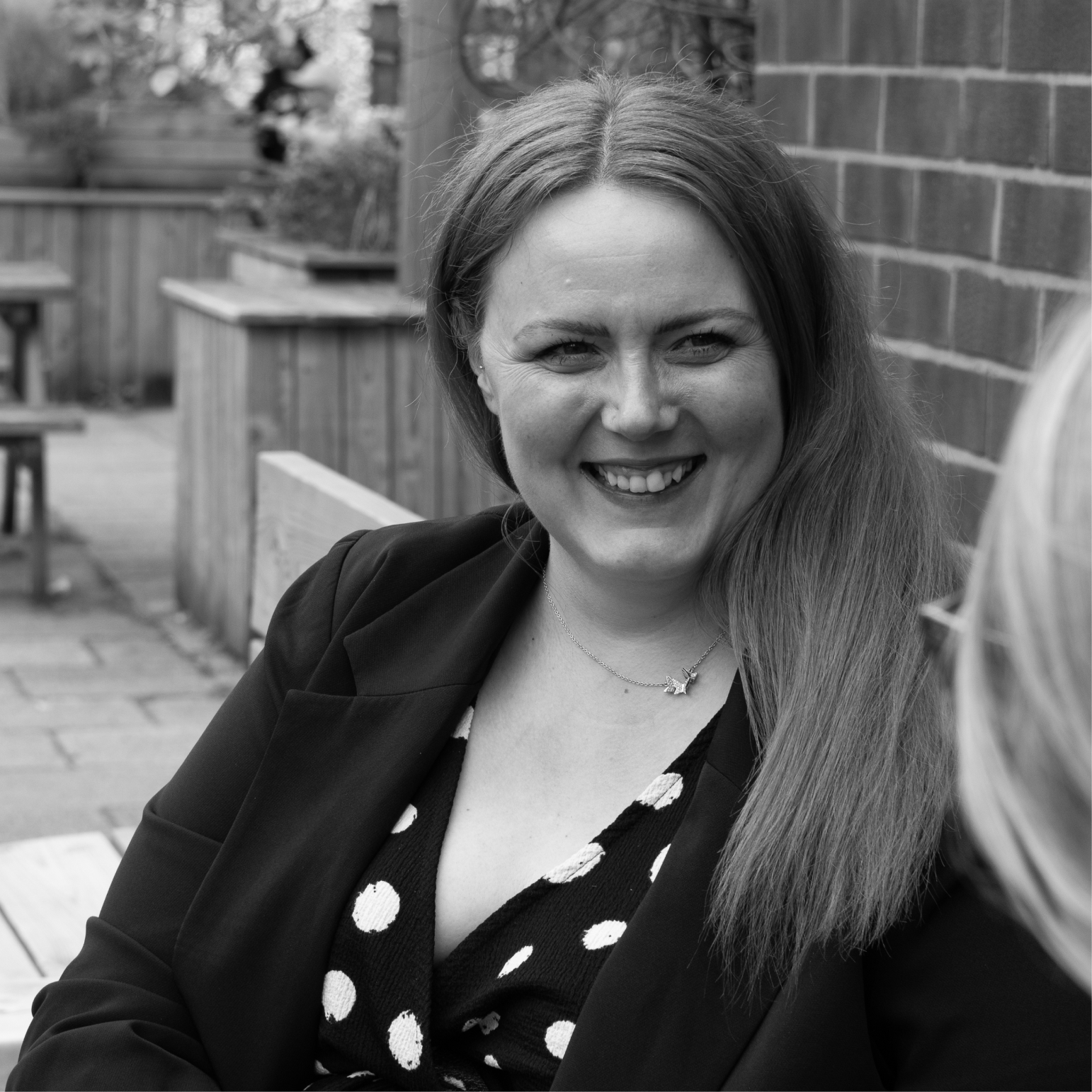
Linking up with Lucy.
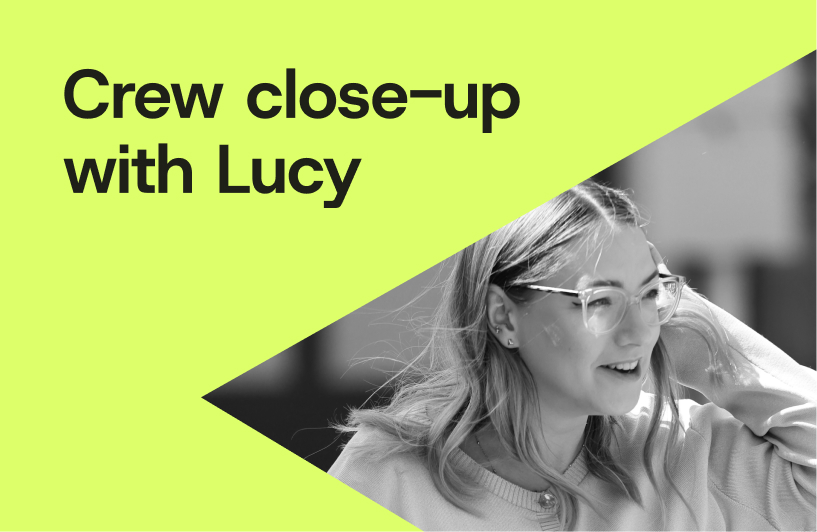
How does a designer’s mind work? One of our copywriters found some time to sit with Lucy, our Head of Design, to find out. Read all about what we learned, and what makes her so good at what she does in our recent Crew Close-ups interview.
Expertise and approach.
Interviewer: We’ll start off with your expertise and approach: what do clients usually come to you for when something isn’t working, and what are they actually asking for without realising it?
Lucy: Clients come for absolutely all sorts: new website design, new logo, new advertising, new element they think might fix everything. But more often than not, it isn’t a singular issue. There’s usually a lack of clarity in their current branding, so fixing the isolated website won’t fix the whole problem. So most people are really looking for clarity first. Once we get that, we can go through all their marketing activities and level them up.
Interviewer: Next is: what’s a mistake you see brands make over and over in design?
Lucy: A lot of them don’t put enough importance on branding. They don’t realise how much it can really hold the ethos of the company together. If they let that start to slip, things can very quickly become watered-down and not have the impact they want. It’s a long-term thing that they have to keep front of mind, look after and invest in. They need to make sure everyone lives by it, and at that point, it can evolve with them. That’s why we ensure our clients are set up with expert branding and graphic design services that position their visuals for long-term success.
Although most people have evolved in their thinking, some are still stuck on old ideas, like thinking their logo needs to visually represent everything they do… or be based on trends.
If you’re a manufacturing company, for example, your logo needs to have an icon symbolising production, e.g. the cogs within the production line. But making that your logo can really pigeonhole your business, and stifle its growth. Anyway, your logo really should be aligned with your brand’s values, mission and ethos. You don’t want to lean into trends.
Interviewer: My next question is: if you had to describe your approach in one word, what would it be (and what does that actually look like in practice)?
Lucy: Intentionality. It’s making sure every element within a design has meaning, and isn't just there for the sake of it. As an example, we don’t choose colours out of thin air – we look at the company’s position within the market, what their competitors are doing, what’s expected, whether there’s any resonance with the colours they already have, where we should lean in, and where we can differentiate.
It made my life as a designer a lot easier when I started using that approach. Everyone has an opinion, but they can't dispute logic!
Interviewer: Where do the best of those ideas really come from – structure, chaos, collaboration, or solitude?
Lucy: Probably a mix of all of them. You need a team around you; that’s a massive benefit of coming to Ketchup. You have a team of specialists with varying approaches and ways of thinking.
For example, we work very closely with our professional copywriting services team, who bring a new element and way of thinking to our meets. So we have fantastic collaboration sessions, and then we go into isolation. It’s likely driving home that our best ideas can hit us alone, then we bring it into the office, which then can be filtered through other Crew members, or it could spark an idea for them. That collaboration might even revive a note we had put in the bin because of self-doubt; it’s great for so many reasons.
Point of view and taste.
Interviewer: Now for a bit more on your point of view: what trends in design are you quietly ignoring right now, and why?
Lucy: Overall, I think it’s wise to avoid trends, because you can fall into a hole. It's a slippery slope for designers. You don't want to go creating work that's pretty for the sake of looking pretty. It could be worthwhile if it gives us short-term gains, but you really want to secure those long-term returns. Design choices need to make sense in the bigger picture.
Interviewer: What’s something you have a strong opinion about in your field that others might disagree with?
Lucy: That your brand is just a logo, colours, and fonts. That’s just one section of your brand. Brand story and tone of voice are equally as important!
Interviewer: What excites you most about working with brands today, and what bores you?
Lucy: I think I can find excitement in any project I work on. It could be the most mundane industry, but there’s always a challenge to solve for the client, and that’s what’s exciting to me.
If I had to pick something that bores me: it’d be doing the same thing over and over. Good brands grow and evolve. One thing we like doing at Ketchup is pushing things to see how we can create more value for our clients versus churning out work as requested. We like taking initiative and thinking ahead.
Collaboration and Ketchup perspective.
Interviewer: Now for collaboration: how does being part of a multidisciplinary team at Ketchup shape your work?
Lucy: It gives me a different perspective and strengthens my ideas. Having a copy team working alongside design makes a lot of our work stronger. I have no idea what to do with a comma, for example. And copy knows how to make something as seemingly small as that, work to evoke certain feelings in an audience.
And it’s so great working with strategic brand managers who make sure everything is aligned to the end goal. The same could be said for our web developers and SEO specialists, and so on! We have so many skilled experts.
Interviewer: What’s something clients might not realise they get access to by working with Ketchup?
Lucy: Probably the collaboration and the expertise; having a full team of specialists. If a brand comes to Ketchup for design, and we see an opportunity for another win for them, we can also do that under the same roof.
Personality and human side.
Interviewer: Now we can dig into the personality stuff: what does your brain do when you’re not working?
Lucy: At the moment it’s very wrapped up in childcare, but I think I’m getting the hang of it. I’m trying to reintroduce my hobbies, like getting back into hand lettering, for relaxation. It also motivates me; it gives me a little bit of “me time” to design. It’s a time when everything is pretty and no one can tell me it’s too pink.
Interviewer: What’s a habit or ritual that helps you reset creatively?
Lucy: Getting out and about! Travel used to really do it for me. But, I am that person who says it’ll take five minutes to go off on a wander, and it ends up taking an hour. I’m usually taking photos of street art or a lamp with stickers on it, something abstract.
I love walking around in new cities in the sunshine, finding good food and wine. My feet don't thank me for it, but it gets me up the leaderboard in YuLife!
Interviewer: If you weren’t doing this, what would you be doing instead?
Lucy: It would definitely be something creative, although weirdly, I wanted to become a pilot when I was younger. I wouldn’t have passed any sort of test to become a pilot – my brain doesn't work that way! That being said, I could see myself having a lovely little life creating wedding invitations, which I thought about when I got married recently. I like creating things with my hands.
Perhaps the ultimate dream life would be that of a travel influencer, and just being on holiday all the time. Then I’d get someone to write the blogs for me!
Our copywriter volunteered herself as tribute, and then wrapped the interview. To learn more about Lucy or any other team members, you can visit our Ketchup Team page. We’ve got plenty of content from videos to interviews just like this one, and we’re a diverse crew!